
Warm Homes Loan Battery Storage: Borrow Up to £15,000, No Solar Needed
The new government backed loans cover a home battery on its own, with no solar panels needed. But it is a cheaper loan, not a grant, so the real question is whether the saving beats the repayment.
- Warm Homes Loan
- Battery Storage
- Finance
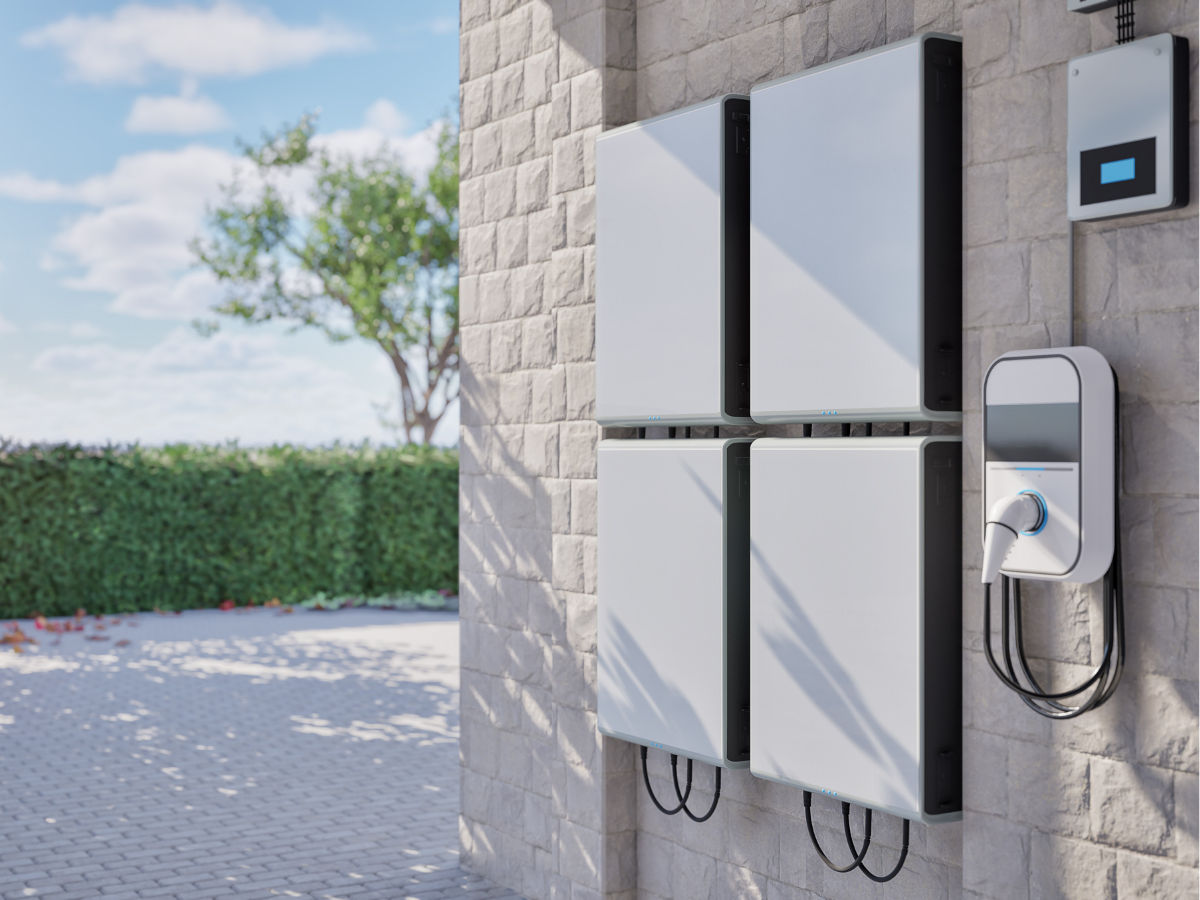
- The Warm Homes Loan Scheme opened to the public on 27 October 2026, with ten lenders in the first phase.
- Battery storage has its own borrowing cap of up to about £15,000, and the rules allow a battery on its own, with no solar panels.
- This is a loan, not a grant. The support is a cut to the interest rate, described as up to around five percentage points.
- Some lenders are advertising interest free products, and some offer terms of up to around thirty years.
- Your installer must hold MCS certification for battery storage specifically, which is a separate scope from solar PV.
- The 0% VAT rate on an installed home battery is still due to end on 31 March 2027, and what counts is the installation date, not the loan term.
Warm Homes Loan battery storage finance went on sale to the public on 27 October 2026. For anyone weighing up a home battery, the detail that matters is not the headline figure. It is that battery storage sits on the eligible list as a measure in its own right, with its own borrowing cap, and the scheme rules do not require solar panels on the roof to use it.
That is worth understanding properly, because this is a loan and not a grant. Below is what the rules actually say, what the interest discount is worth in practice, and the arithmetic that decides whether borrowing for a battery makes sense for your house.
£15,000
Borrowing cap for a battery, with or without solar
Up to 5 pts
Off the lender's normal interest rate
0% VAT
On an installed battery until 31 March 2027
What the Warm Homes Loan Scheme is
The Warm Homes Loan Scheme is the finance half of the government’s Warm Homes Plan, run by the Department for Energy Security and Net Zero. The government does not lend you the money. It pays participating lenders a grant that reduces the principal those lenders need to recover, and the lender is required to pass that saving on to you as a lower interest rate than it would otherwise charge.
Ten lenders are offering loans in this first phase: Homeserve in partnership with E.ON, Tandem Bank in partnership with British Gas, HTG Finance, Propensio, Secure Trust Bank, Selina Finance, South Manchester Credit Union, Sunsave, The Money Co-op and This Bank. You apply to a lender directly, not to the government.
The scheme is open to owner occupiers and to private landlords borrowing on a personal basis. There is no government income threshold, but every lender still runs its own affordability and credit checks, so being eligible under the scheme rules is not the same as being approved. The support applies to loans with a term of three years or more. You can read the government’s own summary in the published guidance on GOV.UK.
Is this a home battery grant?
No, and the distinction matters more than it sounds. People searching for a home battery grant are usually looking for money they do not have to pay back. This is not that. The grant element goes to the lender, not to you, and it arrives in your hands as a cheaper interest rate on money you still repay in full.
Grant funding for home energy upgrades does exist in the UK, but it is routed through other schemes, is usually income assessed and is normally administered by councils rather than by lenders. If you want the current picture on that side, see our guide on whether there are grants for home batteries in the UK.
Warm Homes Loan battery storage without solar
Under the published scheme rules, eligible electrical battery storage can be financed either alongside solar panels or as a standalone battery installation. There is no requirement for existing or new generation on the property.
This matters because a battery without solar earns its money differently. It does not store your own generation. It buys electricity when it is cheap and releases it when it is expensive, which means the return depends on a time of use tariff and on how much electricity your household actually shifts, rather than on how much sun falls on your roof. If you have been told a battery only makes sense with panels, the scheme rules do not take that view, and neither do we.
Jack's tip
If a lender or installer tells you the loan requires solar panels, ask them to point to the clause. The published rules treat eligible battery storage as a measure in its own right, with a cap of its own.
How much you can borrow
Each eligible technology has its own cap, and these are limits on borrowing rather than amounts of free money:
- Battery storage: up to about £15,000
- Solar PV: up to about £15,000
- Air to water heat pump: up to about £20,000, before any heat pump grant is deducted
- Ground source heat pump: up to about £35,000
- Any single combined loan: up to about £35,000 across all measures together
For most households the battery cap is not the binding constraint. A typical domestic battery system costs a good deal less than the cap, so the figure that limits what you can do is the lender’s affordability assessment rather than the scheme. The combined cap matters more: if you want solar, a battery and a heat pump in one loan, the individual caps add up to more than a single loan can carry. Our guide to what a home battery costs in the UK gives the current price picture.
Insulation, windows, doors, roof repairs and standalone EV chargers are not eligible measures. An EV charge point can be included alongside solar or a battery, but not on its own.
What the interest discount is worth
The government grant to lenders is worth up to around a fifth of each loan, and lenders must pass it through as a reduced rate. In practice that has been described as up to around five percentage points off the rate the lender would normally charge. Several of the launch lenders are advertising interest free products, and some offer terms stretching to around thirty years.
The government’s own worked example gives a sense of scale. A homeowner borrowing about £10,000 over seven years at around 8% would expect to repay in the region of £155 a month on an ordinary loan, and the scheme is said to save up to around £285 a year on those repayments.
Read that example carefully, because it shows where the value sits. The saving is a few hundred pounds a year against repayments of nearly two thousand. The scheme makes borrowing cheaper. It does not make the battery cheap.
A longer term lowers the monthly payment and raises the total interest you pay. A thirty year term on a battery is worth pausing over, because the loan would outlast the manufacturer’s warranty on most systems sold today.
The arithmetic that decides it
There is one test that matters, and very little of the coverage sets it out: does the annual saving from the battery exceed the annual cost of the borrowing? If it does, the battery pays for itself while you are still repaying it. If it does not, you are buying the battery out of income and the scheme has only reduced how much that costs you.
Three things move that calculation, and all three are specific to your house rather than to the scheme:
- How much electricity you use, and how much of it you can move into cheap hours. A household that uses a lot in the evening has more to shift than one that is out all day.
- The spread on your tariff between the cheap rate and the peak rate. The wider that gap, the more each stored unit is worth.
- The usable capacity you actually install, which is not the same as the headline capacity on the box.
Work those out before you talk to a lender, not after. Our home battery calculator is built to give an honest payback figure rather than a flattering one, and our guide to how much you can save with a home battery explains what sits behind the numbers.
Pros
- You use a lot of electricity in the evening, so there is plenty to shift out of peak hours
- Your tariff has a wide gap between its cheap and peak rates
- The annual saving comfortably covers the annual repayments
- You were going to install anyway and the loan simply spreads the cost
Cons
- Your usage is low, or mostly in the daytime when electricity is already cheaper
- You are on a flat rate tariff with little gap to exploit
- The repayments would exceed the saving, so the battery is paid for out of income
- A very long term would outlast the manufacturer's warranty
Your installer must hold MCS battery scope
The scheme requires MCS certified products and an MCS certified installer for the technology being installed. That last phrase is where applications will come unstuck, because MCS certification is granted technology by technology, not company by company.
Battery storage has its own installation standard. Solar PV sits under a different one. A firm listed for solar PV does not automatically hold battery scope, and an MCS logo on a van or a website tells you nothing about which standards it covers. Check the MCS register for the certified legal entity and the technology scope attached to it, and check that the company named there is the company signing your contract rather than a subcontractor.
If the battery is not certified under the right scope you risk more than the loan, because an uncertified storage installation can also cause problems with a Smart Export Guarantee application. We set out the full check in our guide to choosing a battery storage installer.
Why the VAT deadline changes the timing
A home battery supplied and installed in a residential property is currently zero rated for VAT under the energy saving materials relief, and that relief is due to end on 31 March 2027. Separately, VAT on domestic electricity in Great Britain is at 0% for a window running to the same date, set out in the relevant VAT order.
The useful point here is one of sequence. What decides whether you get the VAT relief is when the installation is completed, not how long you take to repay the loan. A loan signed now and repaid over many years still captures the relief, provided the work itself is done while the zero rate applies. If the relief is not extended, an identical installation afterwards would carry VAT at the reduced rate, which on a typical system is a meaningful sum. Our explainer on VAT on a home battery covers who qualifies.
So if you were going to install anyway, the deadline is a reason to get the installation booked rather than a reason to rush the decision itself.
What to do before you apply
The order matters here, because each step can change the answer to the next.
Work out your own payback
Run your usage and tariff through the calculator and compare the annual saving with the annual repayment. If the saving does not cover it, you would be funding the battery from income.
Check the installer's battery scope
Look the company up on the MCS register and confirm battery storage is listed against the legal entity that will sign your contract.
Get the completion date in writing
The VAT relief follows when the work is finished, not when you order or sign. Ask for an expected completion date, and what happens if it slips.
Ask each lender about battery only loans
Rates, terms and fees vary by lender and by product. Ask whether they will lend for a standalone battery, and what the total repayable is over the full term.
What we still do not know
A few things are genuinely open at this stage, and we would rather say so than guess:
- How each lender prices a battery only loan, as opposed to a solar and battery package or a heat pump loan. Rates and terms vary by lender and by product.
- How readily lenders approve standalone battery applications in practice, given eligibility sits with the rules but the decision sits with them.
- What a second lender onboarding window adds to the choice available later.
We will update this article as lenders publish their battery terms. Scheme caps, rates and relief dates come from government and lender sources and change over time, so check the current position before you commit.
Warm Homes Loan battery storage, common questions
Can I get a Warm Homes loan for a battery without solar panels?
Yes. Under the published scheme rules, eligible electrical battery storage can be financed as a standalone installation or alongside solar panels. There is no requirement for generation on the property. Approval still depends on the lender's own affordability and credit checks.
How much can I borrow for a home battery?
Battery storage has its own cap of up to about £15,000. Most domestic battery systems cost well below that, so in practice the lender's affordability assessment usually matters more than the cap. A single combined loan across several measures is limited to around £35,000.
Is the Warm Homes Loan Scheme a grant?
No. It is a loan. The government support goes to the lender as a grant that reduces the principal, and the lender passes it on as a lower interest rate, described as up to around five percentage points off its normal rate. You repay the full amount you borrow.
Do I need an MCS certified installer?
Yes, and the certification has to cover battery storage specifically. MCS certification is granted per technology, so a firm listed for solar PV is not automatically certified for batteries. Check the MCS register for the legal entity and its technology scope before you sign.
Does the loan affect the 0% VAT on my battery?
No. The two are separate. The zero rate on an installed home battery runs until 31 March 2027 and depends on when the installation is completed, not on how you pay for it or how long you take to repay.
Is borrowing for a home battery worth it?
That depends on your electricity use, your tariff spread and the usable capacity you install. The test is whether the annual saving beats the annual cost of the borrowing. Work the figures for your own house before applying rather than relying on a national average.
See what a battery would actually save you
Our calculator gives an honest payback figure based on your own usage and tariff, not a sales estimate.
Latest articles

How to Choose a Battery Storage Installer in the UK: The Checks That Protect Your Payback
28/10/2026

Warm Homes Loan Battery Storage: Borrow Up to £15,000, No Solar Needed
28/10/2026
Read before buying energy storage system
22/10/2026

Home Batteries for Emergency Power
22/10/2026
Is the Indevolt SolidFlex 3000 AC Really 3,000W?
21/10/2026

Negative electricity prices explained
20/10/2026