How to choose a home battery: a step-by-step guide

- The right battery depends on your home, your electricity use and what you want it to do, not one single spec
- Plug-in batteries cost less and install in minutes; fixed systems cost more but scale to higher capacity and power
- Capacity should be based on your daily use, solar export and evening consumption, not guesswork
- Battery technology, safety features, warranty and expected lifespan matter as much as price
Choosing a home battery can be challenging because there are many different options to consider. Batteries can differ in capacity, price, installation type, backup power, software and the way they work with solar panels or dynamic electricity tariffs.
The best option depends on your home, your electricity use and what you want to achieve with the battery. In this guide, we explain the most important points to look at so you can choose a home battery that suits your situation.

Who is a home battery suitable for?
A home battery is usually used by homeowners with solar panels. Many households only use around 30% of the electricity they generate themselves and are looking for a way to make better use of the remaining energy. A home battery is a simple way to do this by storing surplus electricity and using it later when you need it.
Although most home battery owners have solar panels, a home battery can also be useful without them. This is often combined with a dynamic energy contract. With a dynamic tariff, you can charge the battery when electricity prices are lower and use the stored energy when prices are higher.
Why are home batteries becoming so popular?
Home batteries are becoming more popular because they give people more control over their energy use. People with solar panels can store excess electricity during the day and use it later in the evening, instead of sending it back to the grid. Batteries can also charge when electricity prices are low and provide power when prices are higher, which can help reduce energy costs.
Another reason for their popularity is that battery prices have fallen over time, making home energy storage more accessible. Most batteries can also provide backup power during a power cut, keeping important devices running. For many households, a home battery is therefore not only about saving money, but also about becoming less dependent on the electricity grid.
Plug-in or fixed home battery?
The first choice you will have to make is whether you want a plug-in home battery or a fixed installation.
Plug-in home battery
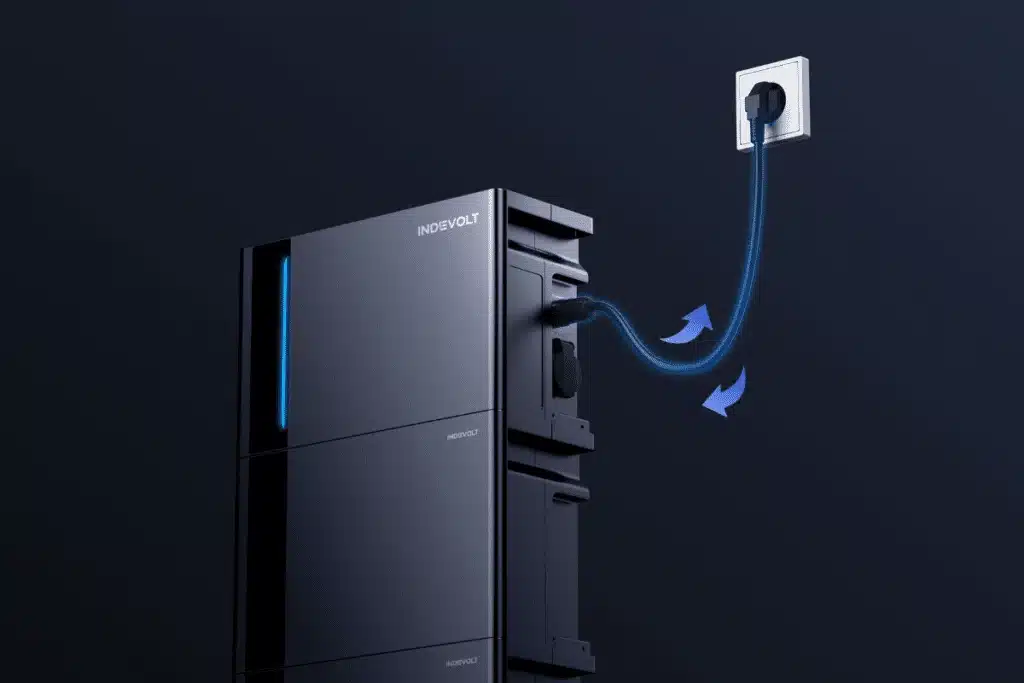
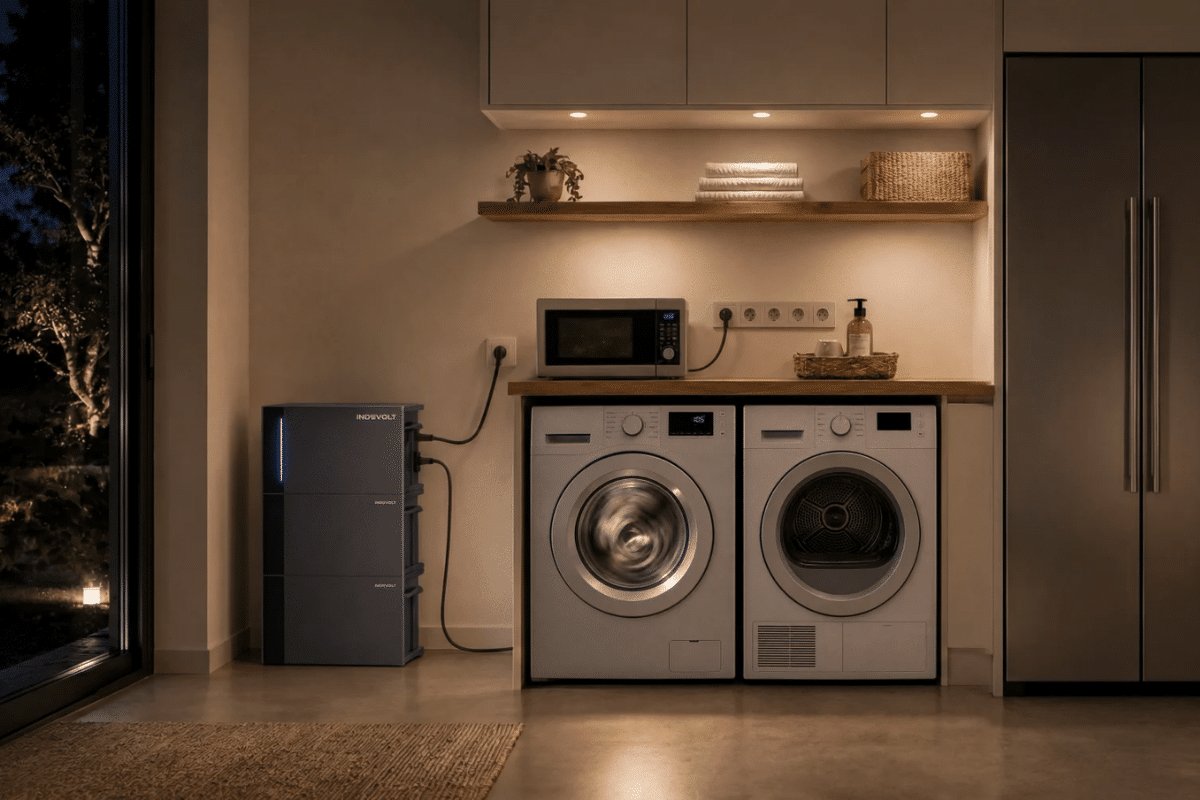
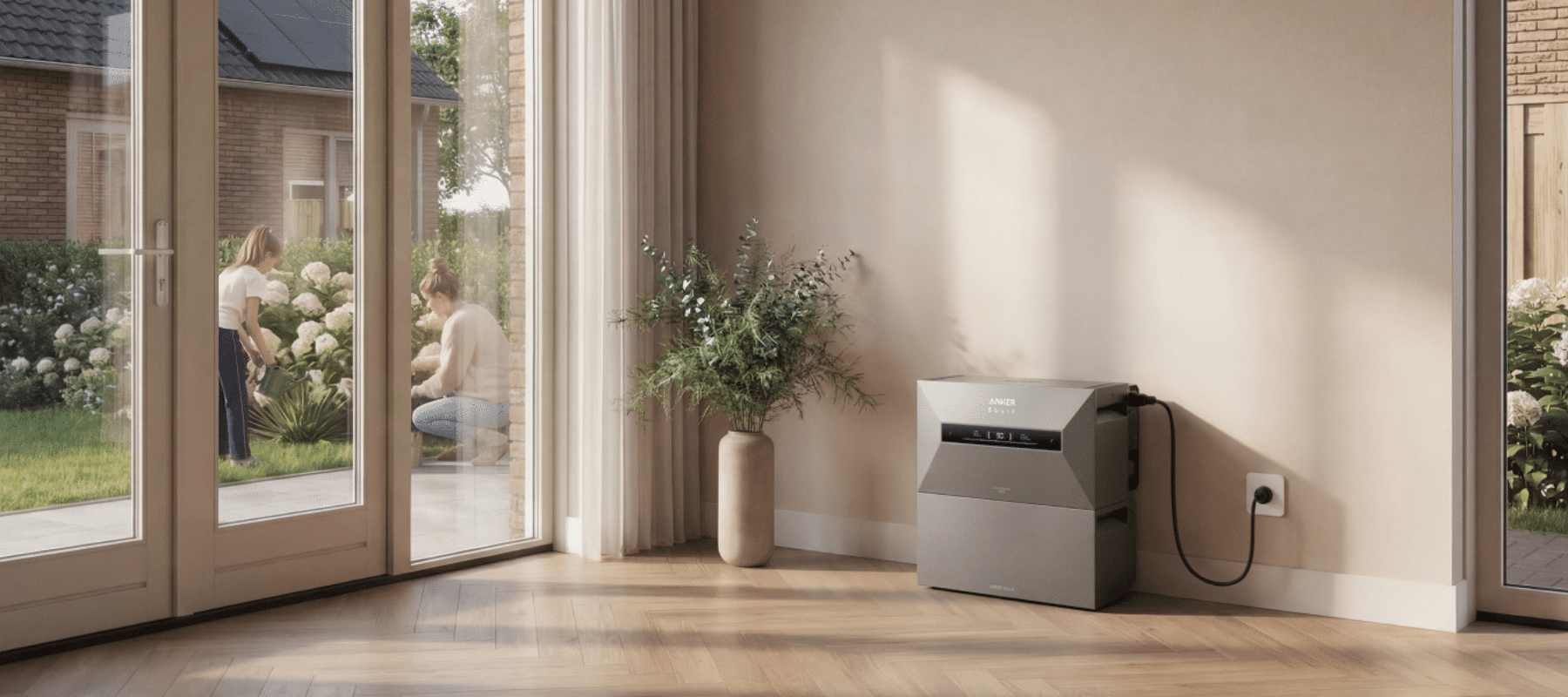
A plug-in home battery is on average much cheaper than a fixed installation, and you can usually install it yourself without the help of an electrician. This also means you avoid professional installation costs, making a plug-in system an accessible option for households that do not need very high capacity or advanced whole-home backup.
Fixed home battery
A fixed home battery is more expensive, but it usually supports higher capacities and power output. This can make it more suitable for larger households, homes with high electricity use or people who want more advanced backup power during a power cut.
| Capacity | Plug-in price | Plug-in installation | Fixed price | Fixed installation |
|---|---|---|---|---|
| 5 kWh | €1,250 to €1,500 | €0 with self-installation | €5,000 | €1,000 to €3,000 |
| 10 kWh | €2,500 to €3,000 | €0 with self-installation | €8,500 | €1,000 to €3,000 |
| 15 kWh | €3,500 to €4,000 | €0 with self-installation | €10,000 | €1,000 to €3,000 |
| 20 kWh | €4,500 to €6,000 | €0 with self-installation | €12,500 | €1,000 to €3,000 |
| 25 kWh | €6,250 to €7,000 | €0 with self-installation | €15,000 | €1,000 to €3,000 |
| 30 kWh | €7,250 to €8,000 | €0 with self-installation | €17,500 | €1,000 to €3,000 |
| 50 kWh | €10,000 to €12,000 | €0 with self-installation | €20,000 | €1,000 to €3,000 |
| 60 kWh | €12,500 to €14,000 | €0 with self-installation | €25,000 | €1,000 to €3,000 |
What should you look for when choosing a home battery?
There are several things to consider when choosing a home battery. Capacity is important, but it is not the only factor that determines whether a system is right for you. You should also look at backup power, battery technology, safety, warranty and expected lifespan.
The installation type and software are also important. Some systems are designed mainly to store surplus solar electricity, while others can automatically respond to dynamic electricity prices. Looking at all of these points together gives you a much better idea of which battery best suits your home and the way you want to use it.
Choose the right battery capacity
Choosing the right battery capacity starts with understanding how much electricity your home uses and how much surplus energy you have available to store. Begin by checking your annual electricity use on your energy statement and divide this by 365 to get an average per day.
If you have solar panels, also look at how much electricity you export to the grid each year, as this gives a good indication of the energy a battery could store instead. It is also useful to look at your evening electricity use, because this shows how much of that stored energy you are likely to use once your solar panels stop generating. Our guide to what size battery you need walks through this in more detail.
A simple way to estimate your needs
Start with your annual electricity use and calculate your average daily consumption. Then compare this with the amount of solar electricity you export each year and how much electricity you normally use in the evening. Together, these figures give you a useful starting point for choosing the right capacity.
Do you need backup power?
Backup power can be very useful during a power cut, but it is important to think about what you need. For some people, keeping a few essential appliances running is enough. This could include a fridge, router, lights or phone chargers. In that case, a battery with a dedicated backup socket may already be suitable.
If you want to keep a large part of your home, or even the entire property, powered during an outage, you will need a more advanced system. A fixed installation can usually provide more backup power, but the exact possibilities depend on the battery, inverter and electrical installation.
Battery technology and safety
Battery technology also plays an important role when choosing a system. Many modern home batteries use lithium iron phosphate, or LFP, cells because they are known for their long lifespan and good thermal stability.
You should also look for a reliable battery management system, which monitors factors such as temperature, voltage and charging to help keep the battery operating safely.
Warranty and expected lifespan
Most modern home batteries come with a warranty of around 10 years or around 6,000 to 10,000 charging cycles, although the exact terms differ between manufacturers.
| Metric | Typical value |
|---|---|
| Warranty period | 10 years |
| Charging cycles | 6,000 to 10,000 |
| Potential usable lifespan | 15 to 20 years |
One charging cycle means using the equivalent of 100% of the battery’s capacity. For example, using 50% of the battery one day and another 50% the next day together counts as one full cycle.
The actual lifespan can be longer than the warranty period. Depending on the battery technology, usage and operating conditions, a modern home battery can potentially remain in use for around 15 to 20 years, although its available capacity will gradually decrease over time.
Which home battery is right for you?
There is not a single home battery that is best for every household. The right choice depends on your electricity use, solar generation, budget and what you want the battery to do. Some people mainly want to increase their solar self-consumption, while others prioritise dynamic energy trading, backup power or a combination of these features.
By comparing capacity, price per kWh, installation type, backup options, software, warranty and battery technology, you can find a system that fits your home and the way you want to use your energy.
Not sure which battery fits your home?
Use the calculator to get a personal recommendation based on your own electricity use.
More articles
-

AC or DC-coupled plug-in home battery: Which setup suits your home?
-

Are home batteries safe? Fire risk and chemistry explained
-

Can you put a home battery outside?
-
How long will a home battery last in a power cut?
-

Plug-in battery vs installed home battery: which makes more sense?
-
Are there grants for home batteries in the UK?