Are home batteries safe? Fire risk and chemistry explained

- Certified home batteries are very safe: research puts the risk of a battery fire at around 0.0049%
- Incorrect installation is the most common cause of problems, not the battery chemistry itself
- Modern LFP cells handle heat far better than older NMC chemistry, making them less likely to overheat
- A battery management system (BMS) and energy management system (EMS) work together to keep a battery safe
Home batteries are becoming very popular, but many people still have questions about fire risk and safety. In this article, we explain how safe modern home batteries are, what can cause problems and why battery chemistry, correct installation and built-in safety systems are so important.

Are home batteries safe?
Certified home batteries are generally very safe. Research by RWTH Aachen University estimates the risk of a battery fire at around 0.0049%. This makes battery fires very rare and puts the risk at a similar level to many common electrical appliances used in the home.
Modern battery chemistry, stricter safety standards and built-in monitoring systems have made home batteries safer than ever. While incidents can still happen, the chance of a certified system catching fire during normal use is extremely low.
What causes a home battery fire?
The risk of a home battery catching on fire is very low, but knowing the potential causes might help home battery owners make an informed decision when picking and installing a home battery system.
The most common reason for a home battery to catch on fire is incorrect installation. A loose electrical connection, unsuitable grounding, protection devices that are not set up correctly or incorrectly sized cables can all cause the device to start generating excessive heat, which increases the risk of electrical problems. Installation by an electrician ensures everything is installed correctly.
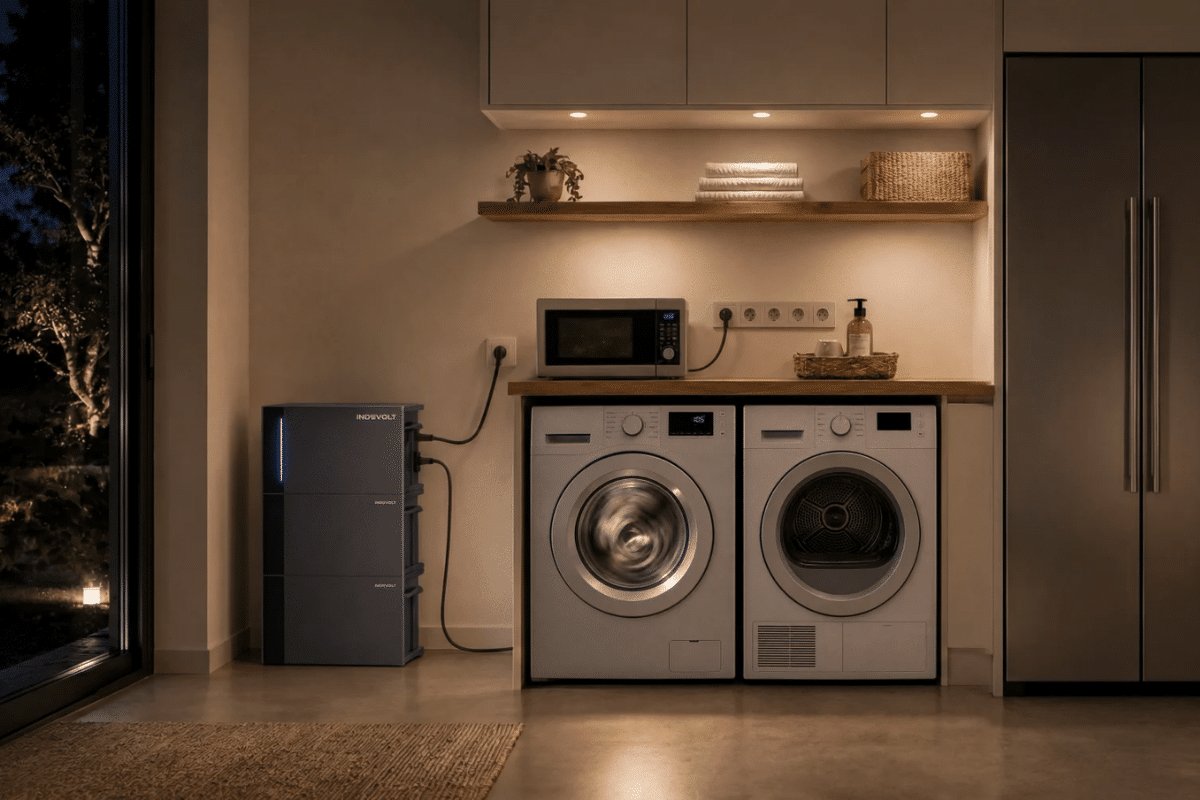
The battery’s surroundings can also affect its safety and lifespan. If it is installed in a hot, humid or poorly ventilated room, it could wear out faster and become less efficient over time.
Damage can also affect how the battery works. If it is dropped, hit by a heavy object or exposed to a lot of water, parts inside the battery may become damaged.
Finally, things like lightning, power surges, flammable materials nearby or damp and corrosive conditions can also increase the risk of problems. Using correct surge protection and following local electrical rules helps keep the system safe.
Which battery types are used in home battery systems?
Home batteries do not use the same type of battery cells as most phones or electric cars. These batteries often work well, but some types are less suitable for use inside a home because they do not handle heat as safely.
Most modern home batteries use Lithium Iron Phosphate, also known as LiFePO4 or LFP. Compared to older lithium-ion batteries such as NMC, LFP batteries are better able to handle high temperatures, which makes them less likely to overheat or catch on fire.
There are also newer battery technologies, such as semi-solid and solid-state batteries. These use a more solid electrolyte instead of the liquid electrolyte found in traditional lithium-ion batteries. This greatly reduces the risk of leaks and fire. However, these technologies are still developing and are not yet widely available for home battery systems.
| Feature | NMC batteries | LFP batteries | Semi-solid batteries | Solid-state batteries |
|---|---|---|---|---|
| Safety | Less thermally stable, with a higher risk of overheating. | Very safe and thermally stable, with a low risk of fire. | Extra safe due to their partially solid electrolyte, with excellent thermal stability. | Extremely safe due to the fully solid electrolyte, with a very low fire risk. |
| Lifespan | Average lifespan. | Very long lifespan. | Very long lifespan. | Very long lifespan. |
| Energy density | High energy density, allowing a large amount of energy to be stored in a compact space. | Average energy density. | High energy density. | Very high energy density. |
| Cost & sustainability | Contains cobalt, making it more expensive and less sustainable. | Cobalt-free, making it more affordable and more sustainable. | Slightly more expensive due to its newer technology. | Currently the most expensive option due to its new technology. |
Why manufacturers choose LiFePO4 batteries for home energy storage
LiFePO4 batteries have become the standard choice for home energy storage because they are a good balance of safety, lifespan and cost. Their excellent thermal stability makes them much less likely to overheat, which is an important advantage for batteries installed inside homes.
Another major benefit is their long lifespan. LiFePO4 batteries can typically be charged and discharged thousands of times while maintaining most of their capacity. This makes them a reliable option for daily use with solar panels and home energy storage systems.
They are also more sustainable than many other lithium-ion batteries because they do not contain cobalt. As a result, manufacturers can produce safer, longer-lasting and more environmentally friendly home battery systems. Battery chemistry is just one of several things worth weighing up; our guide to choosing a home battery covers the rest.
Are plug-in home batteries as safe as fixed systems?
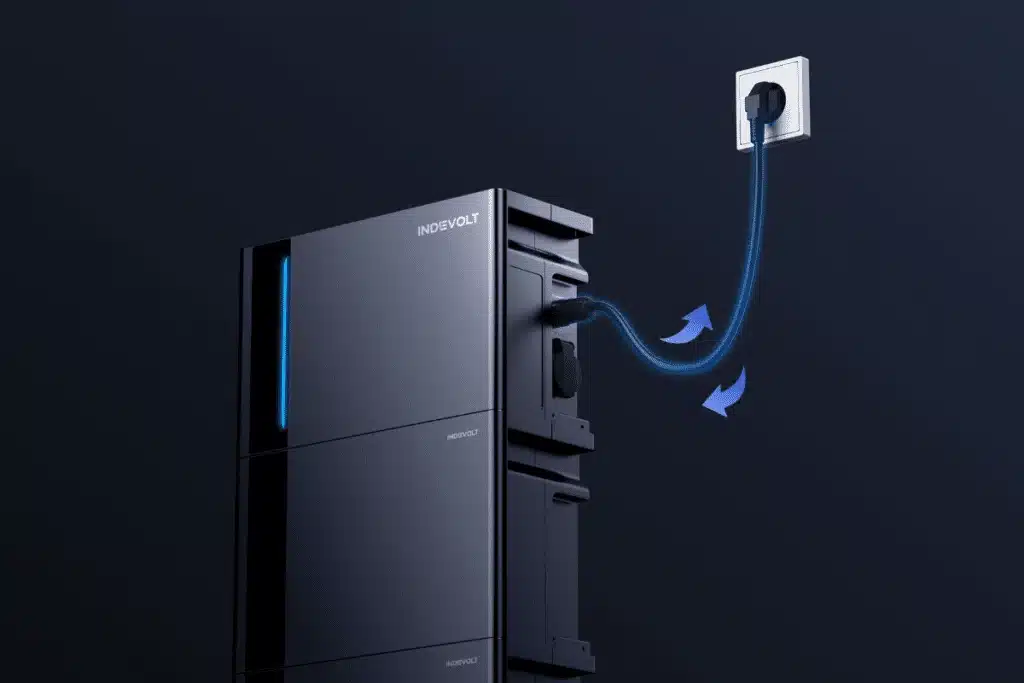
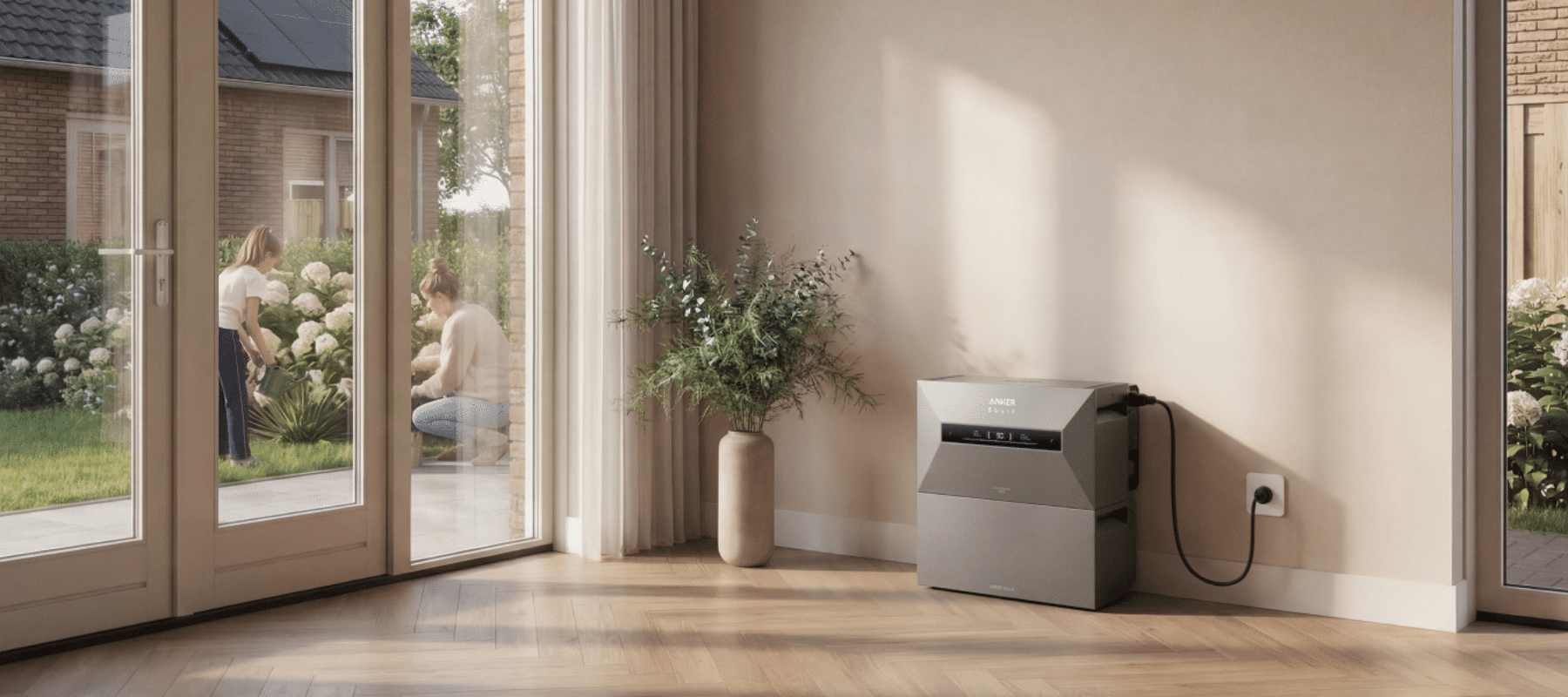
Certified plug-in home batteries can be just as safe as fixed systems. They often use the same LFP battery cells, built-in protection and battery management systems.
The main safety risk is usually not the battery itself, but the fact that the system is installed by the customer. Problems can occur when the battery is connected to an unsuitable socket, used with an extension lead or power strip, or placed in a location with poor ventilation.
It is therefore important to follow the manufacturer’s instructions carefully, use a properly earthed wall socket and make sure the electrical circuit is suitable for the battery. When installed correctly, a plug-in home battery can be a safe and reliable option.
How the BMS and EMS keep a home battery safe
A modern home battery uses both a Battery Management System (BMS) and an Energy Management System (EMS) to keep the system safe and working efficiently.
The BMS checks what is happening inside the battery. It monitors the temperature, voltage, current and charge level. If it detects overheating, overcharging or another problem, it can reduce the power or switch the battery off.
The EMS controls how and when the battery charges and discharges. It uses information from the solar panels, smart meter and electricity grid to avoid unnecessary charging and high power peaks. Together, these systems help protect the battery, reduce wear and keep it operating safely.
Overall, home batteries are a safe and reliable way to store energy when you choose a certified system and install it correctly. Modern battery chemistry, built-in protection and smart monitoring systems all help keep risks low. By following the manufacturer’s instructions and paying attention to any warnings, you can use your home battery safely for many years.
Want a system that's built to be safe?
Use the calculator to get a recommendation that fits your home.
More articles
-

AC or DC-coupled plug-in home battery: Which setup suits your home?
-

Can you put a home battery outside?
-

How long will a home battery last in a power cut?
-

Plug-in battery vs installed home battery: which makes more sense?
-

How to choose a home battery: a step-by-step guide
-
Are there grants for home batteries in the UK?