
Estonia Activates 100 MW Hertz 2 Battery System, Strengthening Northern Europe’s Grid Stability
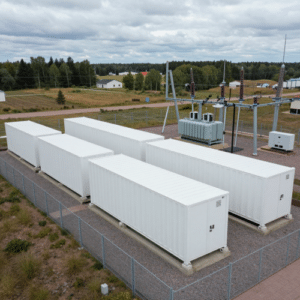
Estonia has officially commissioned the Hertz 2 battery energy storage system (BESS), a 100 MW / 200 MWh facility located in Aruküla. The project entered commercial operation on 8 July 2026, marking one of the most significant energy storage milestones in Northern Europe this year.
The Hertz 2 system is designed to support grid stability, balance renewable energy fluctuations, and improve regional energy security. As wind and solar capacity continue to grow across the Baltic region, large‑scale storage projects like Hertz 2 play a crucial role in maintaining a reliable electricity system.
A Major Step for the Baltic Energy Market

The Baltic states are rapidly modernizing their electricity infrastructure as they prepare for full integration with the continental European grid. Estonia, Latvia, and Lithuania have all increased investments in battery storage to reduce dependence on fossil‑based balancing power and to handle growing renewable generation.
The Hertz 2 project provides:
- Fast‑response balancing services
- Frequency regulation
- Renewable energy smoothing
- Improved resilience during peak demand events
With 200 MWh of storage capacity, the system can deliver two hours of full‑power discharge, making it suitable for both short‑term grid balancing and renewable integration.
Why This Project Matters for Europe
Northern Europe is experiencing rapid growth in wind power, especially offshore. This creates volatility in electricity supply, making large‑scale storage essential. The Hertz 2 system strengthens the Baltic grid and contributes to Europe’s broader energy security goals.
The project also demonstrates how smaller EU member states are accelerating storage deployment, complementing larger initiatives in Germany, Poland, Belgium, and the Netherlands.
Future Outlook
Estonia’s investment in large‑scale storage is expected to continue, with additional BESS projects planned for 2027–2028. As the Baltic region transitions away from synchronous operation with Russia’s grid, battery systems will play a key role in ensuring stability and independence.
The Hertz 2 project is a clear example of how Europe is building a more flexible, resilient, and renewable‑ready electricity system.
We track the rules shaping home storage across Europe so you don’t have to. Follow Homebattery.com for plain-English coverage of battery policy, tariffs, and technology.