Are Home Batteries Good or Bad for the Grid?
Home batteries are often seen as a solution for an overloaded electricity grid, but this depends a lot on how they are used. A battery can help store solar energy, reduce peaks and make the grid more flexible. At the same time, it can also put extra pressure on the grid if many systems charge or discharge at the same time. So the real question is not simply whether home batteries are good or bad for the grid, but whether they are being used smartly enough.
Why the electricity grid is under pressure
The electricity grid is under more pressure then before. We are using more electric devices, charging electric cars, switching to heat pumps and generating more local power with solar panels. This creates moments when more electricity is needed than the grid can handle, or when too much electricity is being fed back into the grid at the same time.
This is called grid congestion. You can compare it to a traffic jam, but on the electricity grid. During busy periods, the grid may not have enough capacity for extra electricity use. This means new connections, EV chargers or heat pumps sometimes have to wait until the grid is upgraded.
How home batteries can support the grid
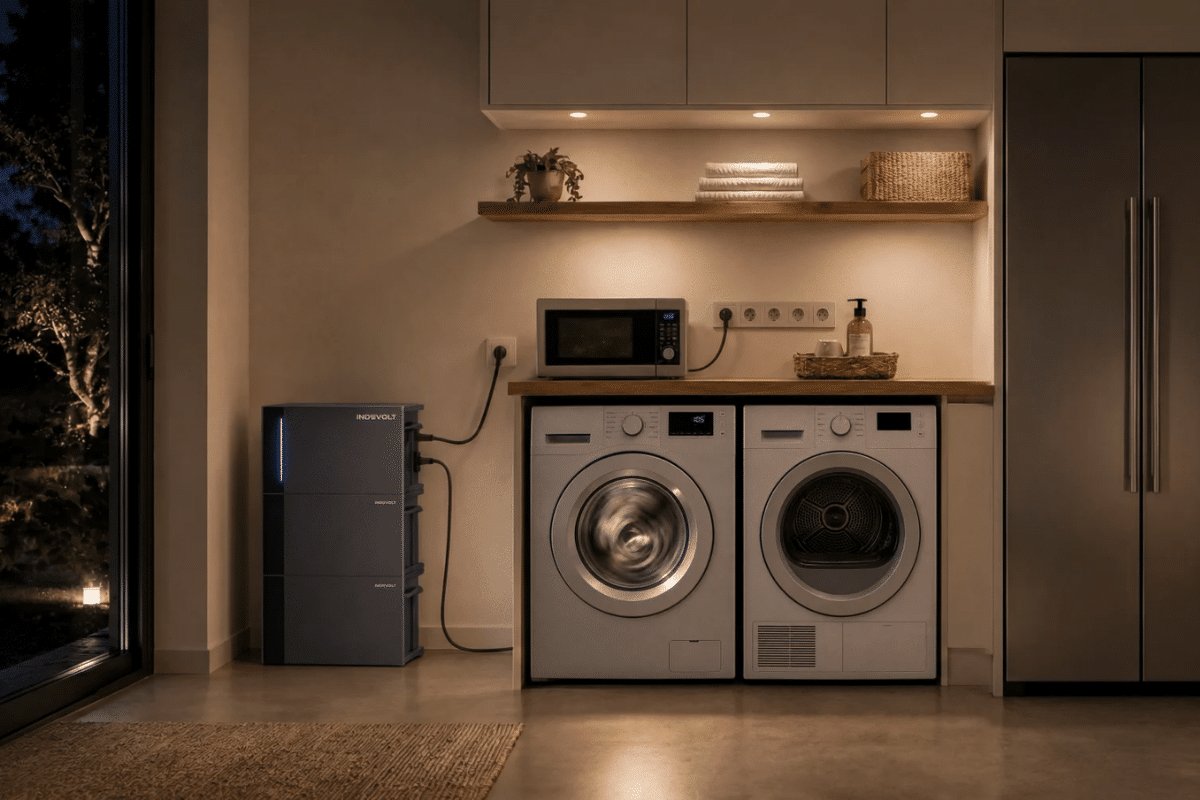
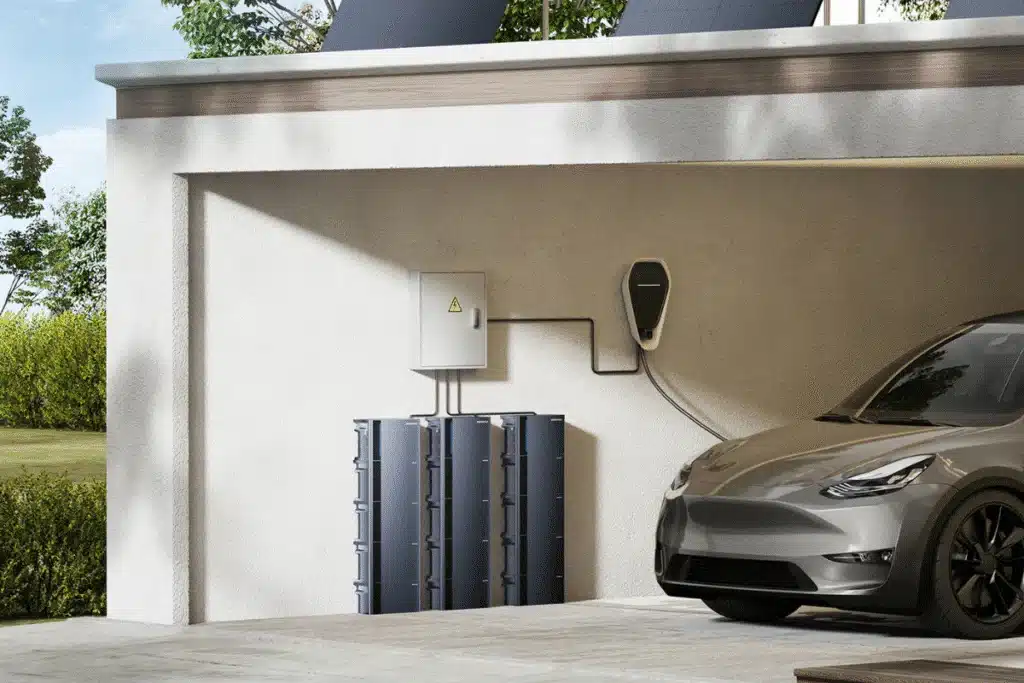
Home batteries can actually help reduce pressure on the electricity grid. They can store excess solar energy when a lot of power is being generated, and use it later when demand is higher. This means less electricity has to be send back into the grid during sunny peak moments, and less electricity has to be taken from the grid during the evening peak.
Batteries can also help with peak shaving, which means reducing high peaks in energy use at home or in the local area. When batteries charge and discharge at the right moments, they can help create a more stable and efficient electricity grid.
How home batteries can make grid congestion worse
A home battery does not automatically help the grid. If many batteries react to the same electricity prices at the same time, they can create new peaks in energy use. For example, thousands of batteries could all start charging when electricity prices are negative, or all start discharging when prices are high. As more people buy home batteries, this could become a bigger problem in the future.
This can put extra pressure on local cables and transformer stations. So the problem is not the battery itself, but the fact that too many batteries may behave in the same way at the same time. Without smart control, home batteries can therefore make grid congestion worse instead of reducing it.
Why energy management systems make the difference
An EMS system can make the difference between a battery that puts pressure on the grid and a battery that supports it. A basic system mainly looks at electricity prices. A smart controlled battery also looks at other factors, such as local grid pressure, expected solar production and household energy use. This helps the battery make better choices. It can spread out charging moments, charge more slowly during busy periods and it can also discharge when this helps the grid. With a HEMS, the battery is not only smart for the user. It can also be smart for the local area. This turns the home battery from a separate device into a flexible part of the energy system.
The role of virtual power plants in the future
In the future, virtual power plants, or VPPs, could play a major role. A VPP connects thousands of separate devices through digital software. This can include home batteries, charging points and heat pumps.
Together, these devices can act like one large flexible power plant. An EMS mainly optimises one home. A VPP can help balance the electricity grid on a much bigger scale. When a lot of electricity is needed, thousands of batteries can each supply a small amount of power. When there is a lot of solar energy or wind energy available, they can charge instead. For people with a home battery, this could become interesting. They may receive a payment for making their battery capacity available.
We track the rules shaping home storage across Europe so you don’t have to. Follow Homebattery.com for plain-English coverage of battery policy, tariffs, and technology.