How much can you save with a home battery in the UK?
On this page
A home battery can help reduce your electricity costs in multiple ways. You can use more of your own solar power, take advantage of cheaper electricity rates and, in some cases, receive payments for supporting the electricity grid.
In this article, we look at the main ways to save money with a home battery in the UK and explain how these savings affect the payback period.
How does a home battery save money?
A home battery can lower your electricity costs by storing surplus solar power, charging when grid electricity is cheaper and, in some cases, taking part in grid services. How much you actually save depends on your electricity use, solar generation, energy tariff and the way the battery is controlled.

What is a home battery?
With solar panels
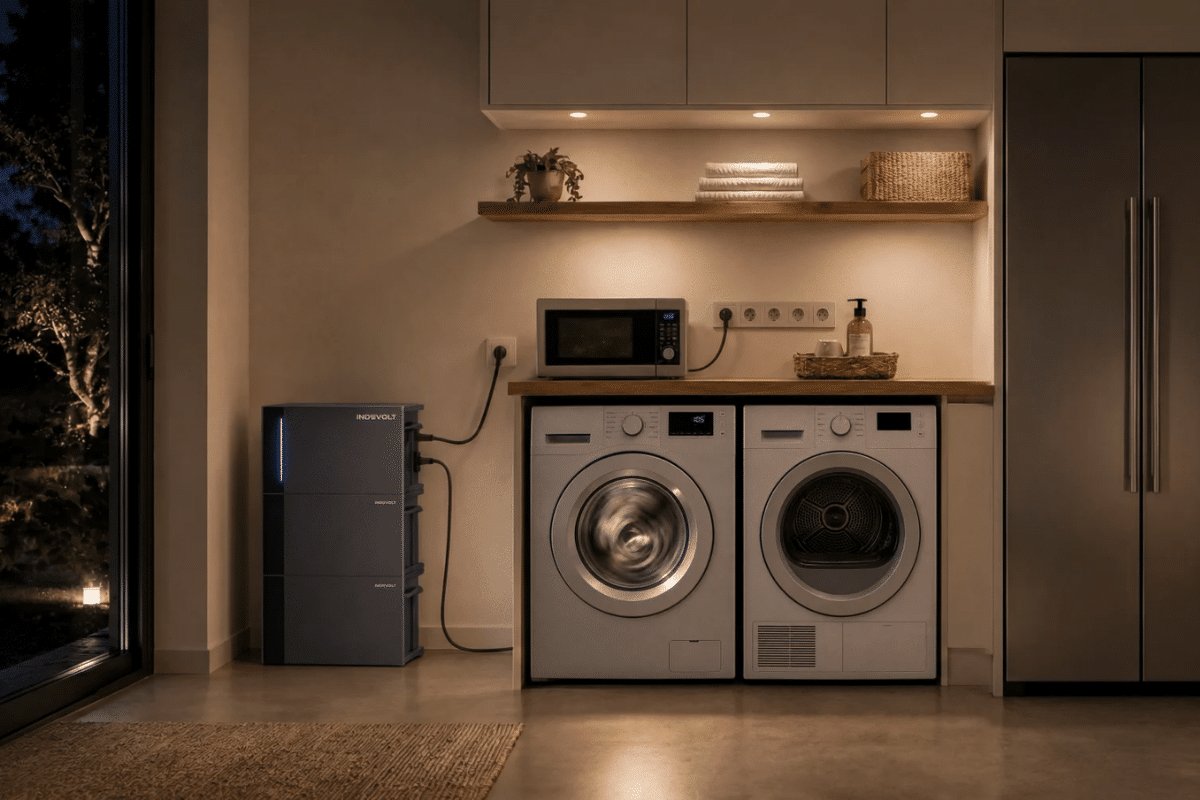
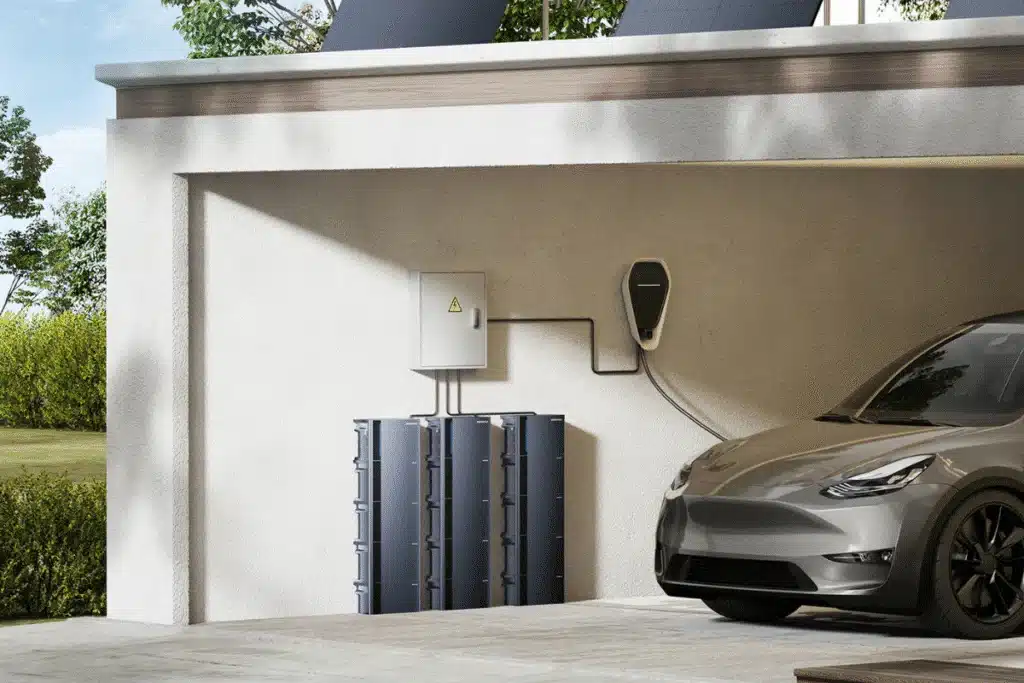
A home battery stores electricity so you can use it later. In homes with solar panels, the battery usually charges with surplus solar power generated during the day.
When the sun goes down or the panels are no longer producing electricity, the stored energy can be used to power your home. This reduces the amount of electricity you need to buy from the grid.
Without solar panels
A home battery can also be useful without solar panels. With a time-of-use or dynamic energy contract, the battery can charge from the grid when electricity prices are low, such as overnight.
You can then use the stored electricity during more expensive peak hours, helping you reduce your energy costs.
Why are home batteries becoming more popular in the UK?
Home batteries are becoming more popular in the UK for multiple reasons. Electricity prices have increased in recent years, encouraging people to look for ways to reduce the amount of power they buy from the grid. More homes are also getting solar panels on their roofs, creating more demand for batteries that can store surplus solar power for use later in the day.
Time-of-use and dynamic energy contracts are another reason for this growth. Although many households still have fixed contracts, customers with more flexible tariffs can charge their battery when electricity is cheaper and use the stored energy during more expensive periods.
A home battery also gives households more control over when they buy, store and use electricity. In some cases, batteries can also support the electricity grid by storing surplus power and releasing it when demand is higher through services such as a Virtual Power Plant.
How can a home battery save you money?
There are several ways a battery can reduce your electricity costs. Which one matters most depends on whether you have solar panels, your energy tariff and the way the battery is controlled.
01 · Solar power
Use more of your own solar power
Without a home battery, a household with solar panels feeds much of its surplus electricity back to the grid. This usually happens during the day when solar production is high but household electricity use is relatively low.
A battery can store this surplus and make it available later, for example in the evening. This reduces both the amount of electricity you export and the amount you need to buy back from the grid. Self-consumption can increase from around 30% to approximately 70–80%.
02 · Cheaper electricity
Charge when electricity is cheaper
A home battery can also charge from the grid during cheaper hours. This is particularly useful with a time-of-use or dynamic electricity contract.
The battery can charge when the tariff is low and supply your home later when grid electricity is more expensive. Smart systems can automatically respond to changing electricity prices.
03 · Grid services
Join a Virtual Power Plant
Some batteries can support the electricity grid through a Virtual Power Plant. An energy supplier or aggregator may charge or discharge the battery when additional flexibility is needed.
In return, the battery owner may receive payments or bill credits depending on the provider and programme terms.
04 · Store for later
Avoid wasting cheap or surplus electricity
A battery lets you store cheap grid electricity or surplus solar power until it becomes more useful.
This can help you avoid exporting electricity at a low rate and then buying electricity back from the grid later at a much higher price.
How much can you save with a home battery?
The amount of money you can save depends on the way you use the battery and your personal situation. There is no fixed saving that applies to every household.
Electricity use
The more electricity you can store and use later, the more opportunity there is to reduce the amount of electricity you buy from the grid.
Your energy tariff
A larger difference between cheap and expensive electricity prices creates more opportunity to save by moving your electricity use to cheaper periods.
Grid services
Some households may receive additional payments or bill credits by connecting their battery to a Virtual Power Plant or another grid service.
What could the savings look like in practice?
These two simplified examples show how storing electricity could create additional value both with and without solar panels.
With solar panels
Store surplus solar electricity
A household has 2,000 kWh of surplus solar electricity each year. Exporting this electricity at 10p per kWh would provide £200 in export payments.
If the household stores this electricity and later avoids buying the same amount from the grid at 30p per kWh, that electricity would have a value of £600.
£400 per year
Potential additional benefit before energy losses and battery costs.
Without solar panels
Shift electricity to cheaper hours
A household moves 2,000 kWh of annual electricity use from peak to off-peak periods. Charging at 15p per kWh would cost £300.
Buying the same amount during peak hours at 35p per kWh would cost £700.
£400 per year
Potential saving before energy losses and battery costs.
These examples are illustrative. Actual savings depend on electricity prices, battery efficiency, household electricity use and how often the battery is charged and discharged.
What is the payback period of a home battery?
The payback period of a home battery is calculated by comparing the total cost of the battery and installation with the amount saved each year.
This period can vary considerably between households. A battery that is well matched to the home’s electricity use, solar generation and energy tariff will usually deliver better savings than a system that is either too small or unnecessarily big.
Simple calculation
Total battery cost ÷ annual savings = estimated payback period
Is a home battery worth it for your home?
A home battery can be a good choice for households that generate a lot of solar power during the day but use most of their electricity in the evening. It can also be useful if you have an energy contract with cheaper and more expensive periods or want to rely less on the electricity grid.
How much you can save depends on your electricity use, solar generation and energy contract. Use our home battery configurator to find a suitable battery size and get a better idea of the possible savings for your home.
Find the right home battery for your household
Use your electricity consumption and solar generation to find a suitable battery capacity for your home.